You’ll get 300 practical, cost-aware tips to design, build and quote exhibition stands that cut waste, lower carbon and boost long‑term value. You’ll find material choices, modular layouts, reclaimed and recyclable options, energy‑efficient lighting and AV, transport limits, waste‑minimizing logistics, and lifecycle cost models. Requests to suppliers for certifications, adhesives transparency, reuse clauses and contingency plans are included. You’ll also see carbon accounting, maintenance savings and stakeholder engagement — keep going and you’ll uncover detailed tactics and examples.
Environmentally Friendly Stand Construction Quote Tips
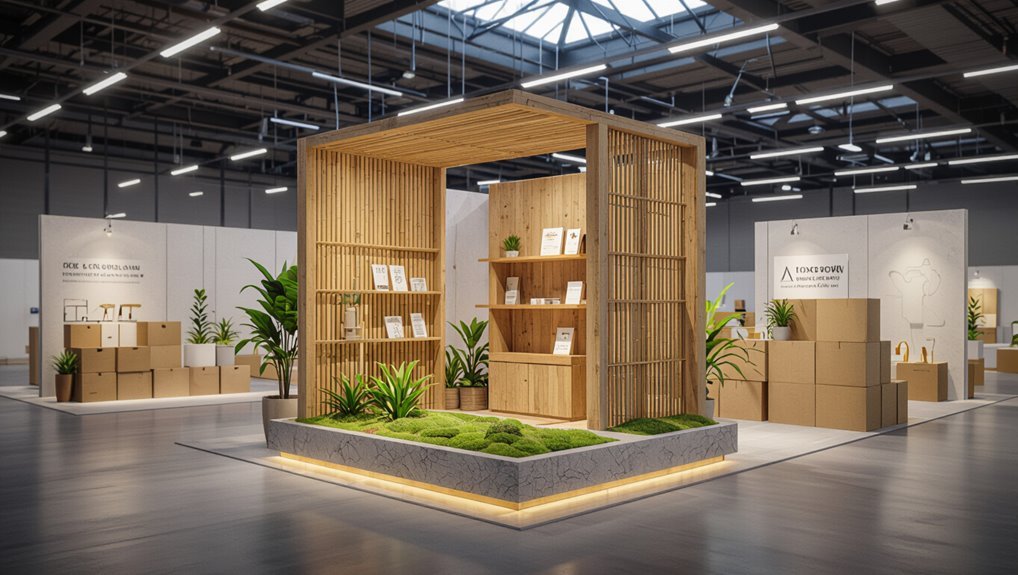
When seeking quotes for environmentally friendly stand construction, clarity and specificity are key. Providing detailed information helps suppliers deliver accurate and comparable bids, ensuring your project meets sustainability goals.
- “Specify your material preferences to guide suppliers in crafting a sustainable proposal.”
- “Detail your energy requirements to ensure efficient solutions in the construction process.”
- “Outline waste management expectations to promote eco-friendly practices from the start.”
- “Request certifications to validate the environmental standards of potential suppliers.”
- “Include reuse goals to encourage innovative designs that minimize waste.”
- “Set transport limits to reduce carbon footprints associated with logistics.”
- “Ask for lifecycle cost analyses to understand the long-term benefits of sustainable choices.”
- “Request itemized breakdowns to see how reclaimed materials contribute to the build.”
- “Encourage suppliers to showcase past projects that highlight their sustainability efforts.”
- “Inquire about timelines to ensure the project aligns with your environmental deadlines.”
- “Discuss contingency plans for waste mitigation to stay prepared for unexpected challenges.”
- “Compare total carbon impacts rather than focusing solely on initial pricing.”
- “Demand transparency regarding adhesives to avoid harmful chemicals in your stand.”
- “Evaluate finishes to ensure they meet eco-friendly standards and minimize toxicity.”
- “Request details on temporary fittings to select options that reduce environmental harm.”
- “Encourage the use of recyclable components to promote a circular economy.”
- “Seek on-site energy solutions to minimize reliance on non-renewable resources.”
- “Inquire about end-of-life plans to ensure responsible disposal or recycling.”
- “Highlight the importance of sustainable practices in your request for proposals.”
- “Evaluate suppliers based on their commitment to reducing environmental impact.”
Sustainable Materials for Exhibition Stand Construction
Creating a sustainable exhibition stand requires careful selection of materials that align with environmental goals. By prioritizing eco-friendly options, you can significantly reduce your carbon footprint while promoting sustainability in your design.
- “Sustainable design starts with materials that tell a story of renewal and responsibility.”
- “Choose materials that not only look good but also do good for the planet.”
- “Reclaimed timber is the heartbeat of sustainability in construction.”
- “Let your stand reflect a commitment to the environment through every choice.”
- “Bamboo’s rapid growth makes it a champion of sustainable materials.”
- “Recycled aluminum is a smart choice for reducing waste and energy consumption.”
- “Low-VOC finishes contribute to healthier indoor environments for all.”
- “Ask for chain-of-custody certificates to ensure transparency in sourcing.”
- “Modular components offer flexibility and longevity in design.”
- “Standardized fittings simplify repairs and enhance the life cycle of your stand.”
- “Opt for water-based adhesives that are kinder to the environment.”
- “Detachable graphics allow for easy updates without waste.”
- “Documenting material provenance is key to authentic sustainability.”
- “End-of-life recycling options ensure your stand’s impact is minimized.”
- “Prioritize recycled content to support a circular economy.”
- “Every material choice should echo a commitment to environmental stewardship.”
- “Sustainable exhibitions pave the way for a greener future.”
- “A mindful approach to material selection transforms your stand’s footprint.”
- “Invest in eco-friendly materials to inspire and educate your audience.”
- “Let your exhibition stand be a beacon of sustainable innovation.”
Eco Conscious Stand Design Ideas
Creating an eco-conscious stand is about harmonizing sustainability with design. By prioritizing innovative materials and smart layouts, you can make a striking impact while caring for the planet.
- “Sustainability isn’t a choice; it’s a responsibility woven into every design.”
- “Eco-friendly stands can be both beautiful and functional.”
- “Let nature inspire your design; its beauty is the ultimate aesthetic.”
- “Modular structures are the future of adaptable, sustainable design.”
- “Lighting choices can illuminate not just your stand but also your commitment to the earth.”
- “Reduce, reuse, and redesign—three steps to an eco-conscious stand.”
- “Every material tells a story; choose one that speaks of sustainability.”
- “Smart controls for lighting are like the brain of your eco-stand.”
- “Living walls breathe life into spaces while reminding us of our roots.”
- “Clear signage transforms sustainability from a concept into a conversation.”
- “Design with purpose; let your stand be a beacon of change.”
- “Aligning aesthetics with eco-friendly practices creates a powerful statement.”
- “Embrace nature’s palette; it’s always in fashion.”
- “A sustainable stand is a canvas for creativity and consciousness.”
- “Transport efficiency is as crucial as design elegance.”
- “Craft your space to flow naturally; let visitors wander like in nature.”
- “The lifecycle of materials matters—design for disassembly and recovery.”
- “Innovative design is the bridge between beauty and sustainability.”
- “Sustainability isn’t just a trend; it’s the foundation of future design.”
- “Your eco-conscious stand can inspire others to rethink their choices.”
Green Stand Construction Cost Breakdown
Understanding the costs associated with green stand construction is crucial for maximizing sustainability returns. By analyzing various expenses, from materials to lifecycle savings, you can make informed choices that benefit both the environment and your budget.
- “Investing in recycled materials today ensures a greener tomorrow.”
- “Modular designs may raise initial costs but pay off in long-term savings.”
- “Low-VOC finishes not only protect health but also enhance air quality.”
- “Every dollar spent on sustainable practices is an investment in our future.”
- “The value of certified fabrics extends beyond aesthetics; they promote sustainability.”
- “Transportation costs can be minimized by sourcing materials locally.”
- “Waste isn’t just a disposal problem; it’s an opportunity for recycling.”
- “Maintenance costs are lower when you choose durable, sustainable materials.”
- “Resale value can significantly offset initial expenditures on green products.”
- “Lifecycle modeling highlights the hidden savings of eco-friendly choices.”
- “Smart investments in sustainability yield both environmental and financial dividends.”
- “Embracing modular systems leads to flexibility and reduced waste.”
- “Every eco-conscious choice contributes to a healthier planet.”
- “The upfront cost of green materials can lead to substantial energy savings.”
- “Sustainable design isn’t just a trend; it’s a commitment to the future.”
- “Reusing materials reduces environmental impact and enhances cost efficiency.”
- “Incorporating green practices today benefits generations to come.”
- “Sustainability isn’t an expense; it’s a proactive investment in our resources.”
- “A green stand reflects a brand’s commitment to responsible stewardship.”
- “Financial benefits often follow the path of sustainable design and innovation.”
Energy Efficient Exhibition Stand Solutions
Introduction
Designing an exhibition stand with energy efficiency in mind not only reduces costs but also minimizes environmental impact.
By implementing smart solutions, you can create an engaging space that’s both effective and sustainable.
Quotes
- “Energy-efficient design transforms your exhibition stand into an eco-friendly statement.”
- “Illuminate with purpose—let LED lighting lead the way to sustainability.”
- “Smart technology keeps your stand vibrant while reducing energy waste.”
- “Every sensor counts; light only where the action is.”
- “Investing in energy-efficient AV equipment is a step towards a greener future.”
- “Control power management like a maestro conducting an orchestra.”
- “High-performance insulation is the unsung hero of energy efficiency.”
- “Limit HVAC demand by embracing smart climate controls.”
- “Daylighting is nature’s best lighting—maximize its potential.”
- “Reflective surfaces can turn your stand into a beacon of natural light.”
- “Low-power charging stations make sustainability a seamless experience.”
- “Testing setups beforehand ensures a smooth, sustainable operation.”
- “Measuring consumption is the first step toward continuous improvement.”
- “Every watt saved is a victory for the planet.”
- “Engagement doesn’t have to come at the cost of efficiency.”
- “Reduce idle draw to keep energy waste at bay.”
- “A well-lit stand can captivate without dimming the planet’s future.”
- “Efficiency isn’t just a goal; it’s a commitment to our environment.”
- “Your exhibition stand can inspire change—make it energy-wise.”
- “Sustainable choices today lead to impactful experiences tomorrow.”
Recycled and Reclaimed Materials for Stands
Incorporating recycled and reclaimed materials into your stand design not only emphasizes sustainability but also creates a unique aesthetic. By prioritizing these materials, you contribute to waste reduction and foster a deeper connection with your audience.
- “Embrace the past; every repurposed piece has a story to tell.”
- “Sustainability starts with choice; choose materials that honor the Earth.”
- “Reclaimed materials breathe new life into design, reducing waste with elegance.”
- “Let your stand be a testament to creativity and conscious sourcing.”
- “The beauty of sustainability lies in its authenticity; every scar tells a tale.”
- “Mixing old and new can create a harmony that celebrates both.”
- “In every recycled element, there’s a promise of a brighter future.”
- “Transparency in sourcing builds trust; let your materials speak for themselves.”
- “Choose materials that inspire conversations about sustainability.”
- “Repurposed elements not only reduce carbon but also enrich design.”
- “Design is more than aesthetics; it’s a commitment to the planet.”
- “Every reclaimed item is a step toward a circular economy.”
- “Innovative design can emerge from the remnants of the past.”
- “By reusing materials, we honor the resources that once were.”
- “Sustainability is a journey; let your stand be a guide.”
- “Celebrate the imperfections in reclaimed materials; they add character.”
- “Creative sourcing transforms leftovers into legacies.”
- “Elevate your design by integrating textures that tell a story.”
- “Adaptability in design ensures that sustainability lasts beyond the event.”
- “Educate through your choices; every material can inspire change.”
Low Waste Stand Build and Logistics Strategies
Introduction:
Incorporating low waste strategies in stand build and logistics is essential for achieving sustainability. By thoughtfully planning each phase, we can significantly reduce waste while optimizing resources and efficiency.
—
- “Every step of the process should be a step toward sustainability, minimizing waste while maximizing impact.”
- “Designing modular elements transforms waste into resources, allowing for reuse and efficiency.”
- “Coordination is key; a well-timed drop-off can prevent waste before it even begins.”
- “Consolidation is the art of reducing trips; fewer journeys mean less environmental impact.”
- “Labeling components streamlines assembly, cutting down on both time and waste.”
- “Reusable packing systems are a small investment for a massive return in waste reduction.”
- “Tracking leftover materials isn’t just responsible; it’s an opportunity for community support.”
- “Every crew member plays a role in waste reduction; their knowledge is our greatest tool.”
- “Setting waste reduction targets creates a culture of accountability and innovation.”
- “Reverse logistics is a pathway to sustainability; what goes out can come back in better form.”
- “Smart sourcing is only the beginning; execution is where the true sustainability lies.”
- “Design for disassembly; every piece should have a future beyond its initial use.”
- “Transport efficiency is as crucial as material efficiency; both lead to a greener footprint.”
- “Emphasizing reuse in logistics turns potential waste into valuable assets.”
- “A mindful approach to labor can significantly cut down on wasteful practices.”
- “Knowledge is power; educating teams on waste handling is vital for success.”
- “Waste isn’t inevitable; it’s a result of oversights we can actively eliminate.”
- “Every decision counts; a small change in planning can lead to significant waste reduction.”
- “Sustainability is a collective effort; every stakeholder has a role in minimizing waste.”
- “The journey toward low waste is continuous; constant monitoring leads to greater achievements.”
Certifications and Standards for Green Stand Construction
When pursuing green stand construction, selecting the right certifications is crucial. They provide a roadmap for sustainable practices, helping you meet your project’s environmental goals while ensuring compliance and enhancing credibility.
- “Green certifications act as a compass, guiding projects toward sustainable success.”
- “Choose certifications that resonate with your project’s vision and scale.”
- “Recognized schemes like LEED and BREEAM set the standard for eco-friendly construction.”
- “Local green building labels can enhance community engagement and relevance.”
- “Supplier accountability begins with requiring certification evidence.”
- “Independent verification adds an extra layer of trust to sustainability claims.”
- “Standards should inform your choices in materials and waste management.”
- “Energy efficiency isn’t just a goal; it’s a necessity for green construction.”
- “Incorporating certification criteria in contracts ensures aligned expectations.”
- “Bidders should be incentivized to prioritize compliance in their proposals.”
- “Documenting sustainability efforts during construction is essential for transparency.”
- “A well-tracked handover process reinforces your project’s green commitments.”
- “Reducing risk is a natural outcome of adhering to established green standards.”
- “Credibility in sustainability efforts can differentiate your project in a competitive market.”
- “Measurable environmental performance helps clients make informed decisions.”
- “Green certifications can elevate your project’s profile in the industry.”
- “Fostering a culture of sustainability starts with clear certification goals.”
- “Engaging stakeholders through green standards can enhance project buy-in.”
- “Building sustainably is a journey, and certifications are your roadmap.”
- “Every certification milestone reached is a step toward a greener future.”
Carbon Footprint Reduction for Exhibition Stands
Planning an exhibition stand with a focus on carbon footprint reduction not only benefits the environment but also enhances overall efficiency and visitor engagement. By embracing sustainable practices, you can create a stand that’s both eco-friendly and cost-effective.
- “Sustainable design is the first step towards a greener exhibition experience.”
- “Every choice in materials can lead to a significant reduction in emissions.”
- “Local sourcing not only cuts transport emissions but supports community economies.”
- “Optimizing weight and volume is key to sustainable logistics.”
- “Energy-efficient lighting transforms the exhibition space while saving resources.”
- “Smart controls are the future of eco-friendly event management.”
- “Transparency in emissions tracking builds trust with your audience.”
- “Offsetting emissions isn’t just a responsibility; it’s a commitment.”
- “Engaging contractors with carbon targets amplifies the impact of your efforts.”
- “Reuse and recycling clauses are essential for minimizing end-of-life waste.”
- “A sustainable stand is a conversation starter, sparking awareness among visitors.”
- “Every small decision contributes to the larger goal of carbon neutrality.”
- “Reducing your carbon footprint is a journey, not a destination.”
- “Innovative designs can be both eye-catching and environmentally friendly.”
- “Investing in low-carbon materials pays off in more ways than one.”
- “Sustainable exhibitions pave the way for a healthier planet.”
- “Tracking your carbon footprint empowers you to make informed choices.”
- “A commitment to sustainability reflects positively on brand reputation.”
- “Embrace technology to enhance energy efficiency at your stand.”
- “Creating an eco-conscious exhibition is a gift to future generations.”
Long Lasting Modular Stands for Sustainable Use
Designing for sustainability begins with choosing long-lasting modular stands. By prioritizing durability and adaptability, we can significantly reduce our environmental impact over time.
Here are some insights to inspire sustainable choices in your stand design:
- “Choose materials that endure; sustainability thrives on longevity.”
- “Modular systems transform waste into opportunities for innovation.”
- “Repairability is the heartbeat of sustainable design.”
- “Every component should serve multiple purposes; versatility is key.”
- “Standardization reduces complexity and enhances efficiency.”
- “Embrace recycled materials; they tell a story of renewal.”
- “Transport less, waste less; sustainability travels light.”
- “Adaptability in design fosters resilience in changing environments.”
- “Invest in quality; it’s the foundation of sustainability.”
- “Refurbishing isn’t just a choice; it’s a commitment to the planet.”
- “Think ahead: plan upgrades, not replacements.”
- “Waste is a design flaw; reimagine every component’s lifecycle.”
- “A sustainable stand is a canvas for creativity and responsibility.”
- “Choose suppliers who share your values; partnerships amplify impact.”
- “Efficiency in storage extends the life of your investment.”
- “Every choice counts; make each one a step toward sustainability.”
- “Sustainable design is a journey, not a destination.”
- “Ensure your stand reflects your commitment to the Earth.”
- “Innovation and sustainability go hand in hand; embrace both.”
- “Lead by example; inspire others with your sustainable practices.”
Conclusion
You’ve gathered 300 tips and, by coincidence, the last idea fits the first: choose modular, durable materials that cut waste and cost. You’ll save energy, earn certifications, and simplify logistics—so the stand you build today becomes the exhibit you reuse tomorrow. Picture a booth that’s lighter on the planet and heavier on impact: attendees linger, your budget breathes, and each show feels like the next logical step toward truly sustainable exhibitions.